
A phrase I hear a lot is “new normal.” It’s a way of saying “this is how things are now.” Whether we like it or not, we have to accept that something has changed and there’s no going back.
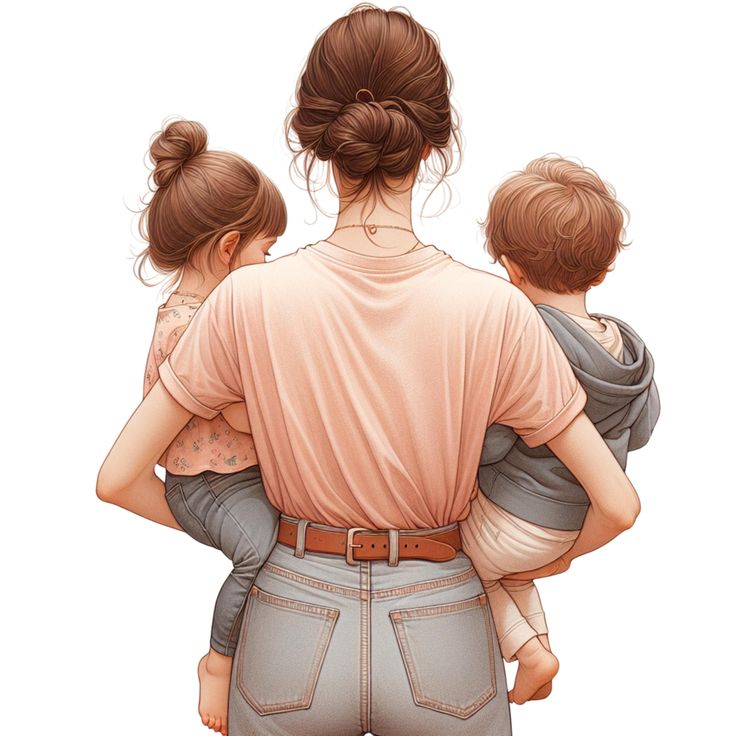
People say it to describe a change in their lifestyle. A young woman who drove a sports car, went out with friends every Friday night, and played tennis on the weekends might find herself a few years later driving a minivan, having pizza and popcorn every Friday night, and rushing to t-ball practice every Saturday. When she runs into an old college friend in the grocery store on a day she’s got her hair in a ponytail and wearing no makeup, she might laugh embarrassingly and say “yep, this is my new normal.”
It’s not that she dislikes her current life, but sometimes there are reminders of her old life that bring a wave of nostalgia. And for a brief moment she thinks it would be nice to go back.
There’s a normal flow of life. We expect things to follow an expected path: carefree early childhood to fun and challenging school days to awkward adolescence to fast-living early adulthood to marriage and family life to comfortable retirement to slipping away to eternal peace.
Granted, that’s a fairy tale version of life. There are unexpected events all along the way that make us pause and reassess where we are and where we’re going. But, with a little time for adjustment, we usually get used to our new normal.
Some changes, though, are so hard – so devastatingly unimagined – that we may never accept them as normal. Losing a child is one of those changes.
My younger daughter, Rachel died in a car accident on April 11, 2017. Her death was completely unexpected. It was a beautiful spring morning the Tuesday before Easter. We held her memorial service five days later on Easter Saturday. As we were leaving the church to head back to my older daughter’s house where people were gathering, she said “oh my gosh, I haven’t even gotten the kids’ Easter baskets yet.” The four grandchildren were young enough to expect the Easter Bunny to still come. The two oldest understood that their Aunt Rachel had died, but even they didn’t fathom how profoundly life had changed for our family.

Life without Rachel in all her roles as wife, daughter, sister, aunt, friend, colleague was not normal. And yet we were all expected to keep living our normal lives and doing the things normal life requires, like paying the bills, feeding the dog, and having baskets of goodies for the kids on Easter morning.
Almost exactly two years ago I published a blog post, titled Yahrzeit, that included some words I had written in my journal on the first anniversary of Rachel’s death. I talked about how our western culture no longer has a proscribed timeframe for mourning or outward symbols of bereavement. Women don’t dress in all black, men don’t wear armbands. We don’t close the curtains and cover our mirrors. That’s mostly good. No one thinks it’s scandalous if we take the kids to the beach two weeks after a death in the family.
On the other hand, many employers expect you to come back to work after 3-5 days unless you take extra vacation time. We’re supposed to outwardly look and act like everything’s normal. And six months or a year later, we’re online desperately asking other bereaved parents we’ve never met in person if there’s something wrong with us because we still cry every night, and we can’t bring ourselves to wash our child’s pillowcase because it still carries his or her scent. Am I normal?
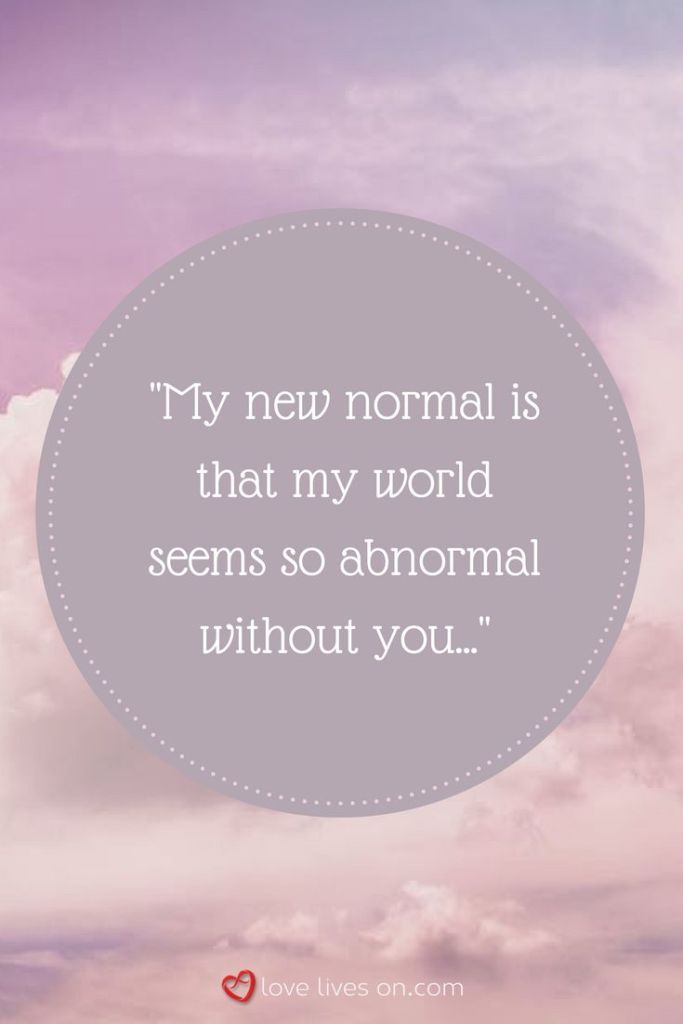
In 18 days, it will be 8 years since that painful Easter week. Life keeps moving and time keeps passing. More good things than bad have happened in those 8 years. I have a good life. I am blessed. All outward signs are that I have a pretty normal life. Still, I miss my daughter.
But that’s nothing new.
Laura

 A Light for My Path
Leave a reply to Anonymous Cancel reply