
I’ve written several times about how comforting it can be to hear “me, too” when you are hurting. When you see someone who’s been through a similar loss or traumatic experience and is still able to put one foot in front of the other, it’s reassuring. When they’re willing to slow their pace and invite you to walk beside them, it’s encouraging. Shared troubles, pain, and fears are lessened when one person isn’t carrying the whole load. Solomon said in Ecclesiastes, “Two are better than one, because they have a good reward for their toil. If either of them falls, one can help the other up.” (Ecclesiastes 4:9-10)
Two are better than one, because they have a good reward for their toil. If either of them falls, one can help the other up.
Ecclesiastes 4:9-10
Not everyone who has lost a child knows someone else personally who shares that experience. That’s one reason bereaved parents seek out online groups open specifically to grieving moms and dads. No question is too strange. Almost every hurting soul has cried out at least once “Am I normal?” “Has anyone else felt this way?”. The answer is always a resounding YES.
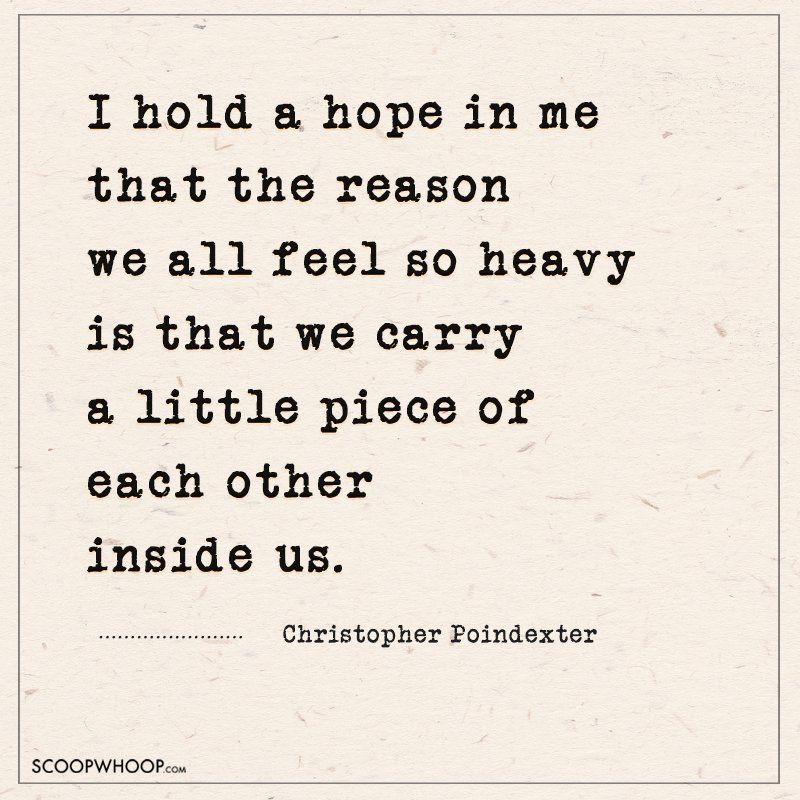
There are several reasons these groups are open strictly to bereaved parents and not to people with other losses. One main reason is the groups are large enough with only parents who have suffered child loss. The group While We’re Waiting has more than thirteen thousand members. The admins have their hands full!
Another reason the group is selective in who joins is because every loss is unique. I’ve lost all my grandparents, both my parents, aunt and uncles, close friends – all these losses were painful. But losing a child has been the most devastating experience in my life. Parents are not supposed to outlive their children. I believe we’re hard-wired to feel that way. That doesn’t mean that my grief is more important than someone else’s. But your personal connection to someone that dies will impact your grief and finding support which addresses that relationship is important.

Two friends of mine have each lost a brother in the past few months. One friend’s brother had been ill for a while, but the other died of a completely unexpected heart attack at his workplace. His sister is a pastor and a certified grief counselor. She and I speak at grief workshops several times a year. She said to me that this heart-breaking experience is giving her new insight into specific loss. She’s never lost a sibling before. It’s one thing to study the impact of grief and another to feel the impact personally.
My own insights into grief have also changed and matured over time and especially as a bereaved parent. Each individual that dies has unique connections to the people left to mourn them. Participating in grief workshops has reminded me that each relationship will necessarily affect how people will grieve. For example, my daughter wasn’t just a daughter. She was a spouse, a sibling, an aunt, cousin, friend, coworker, and so on. Her husband, her sister, and I were all mourning the same person, but because we knew Rachel in different ways, we mourned who she was to each of us and what she would have been in the future to each of us.
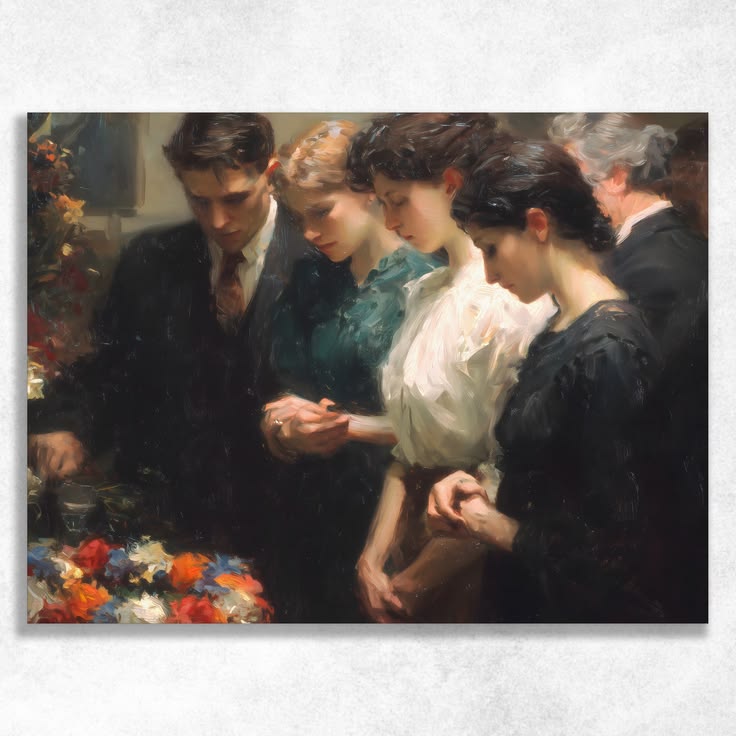
It’s complicated. And if we’re not careful we who are grieving the same person can let our emotions get in the way of comforting each other. I can’t tell my older daughter how to mourn her sister; I’ve never lost a sibling. I can’t tell my son-in-law how he should mourn his wife; I’ve never lost a spouse. We can’t tell each other HOW. But we can talk with each other about WHY we mourn Rachel. We can share our insights into who Rachel was to us personally. We can learn and appreciate her as the complex person she was. While perhaps each keeping a few precious memories tucked away as our own individual treasure. Sigh.
Like I said. It’s complicated.
Laura
 A Light for My Path
Leave a comment