
Grief is a necessary and expected emotion in response to a loss. When the loss is the death of a significant loved one, the grief is going to be heavy and prolonged. The depth of our grief is in proportion to the depth of love we felt for that person. Indeed, grief, in varying forms, will last as long as our love does. And that may mean we grieve until we join our loved one in eternity.
If the loss is sudden and unexpected, our initial emotional response is often shock and disbelief. We may react with denial, anger, and fear rather than tears and sorrow. Grief may not set in until we come to accept that death has truly taken our loved one from this world.

An unexpected loss also throws us into unfamiliar territory that includes tasks we’re unprepared for. Tasks like scheduling a funeral/memorial service. Picking out a casket or urn and purchasing a burial plot. Depending on the circumstances of the death, there are even more heart-wrenching duties I won’t mention because they can trigger painful memories for readers.
I wrote a few weeks ago that my daughters’ father (my previous husband) passed away suddenly a couple of weeks before Thanksgiving. Their dad left a will that named my oldest daughter as executor and trustee. A task completely unfamiliar to her. She is a busy wife and a mother of four children ranging in age from 10 to 19. She wanted to keep the tradition of celebrating Thanksgiving and Christmas at their house (usually entertaining between 15 and 20 family members and guests).
With the help of her dad’s girlfriend, she planned a memorial service and a military burial. With the help of her attorney husband, she started the myriad tasks of selling his home, car, and other assets and dispersing the proceeds amongst his heirs. These tasks are ongoing three and a half months later.
When does she get to start to grieve?

Grief is normal, human, and needed. If we grieve in a healthy way it can help us work through the changes a loss brings into our life.* Our grief at the loss of a significant loved one will never fully end in this life, but it gradually softens into memories, reminiscences, smiles, and sighs.
In previous generations it seems the significance of death was more widely recognized. Most cultures had a defined period of mourning. Mourners dressed in black or wore back armbands. Grievers hung a wreath on the front door to signify they were missing a loved one. Most of us might not want to engage in such formalities, but doesn’t it sometimes feel like we give grief short shrift?
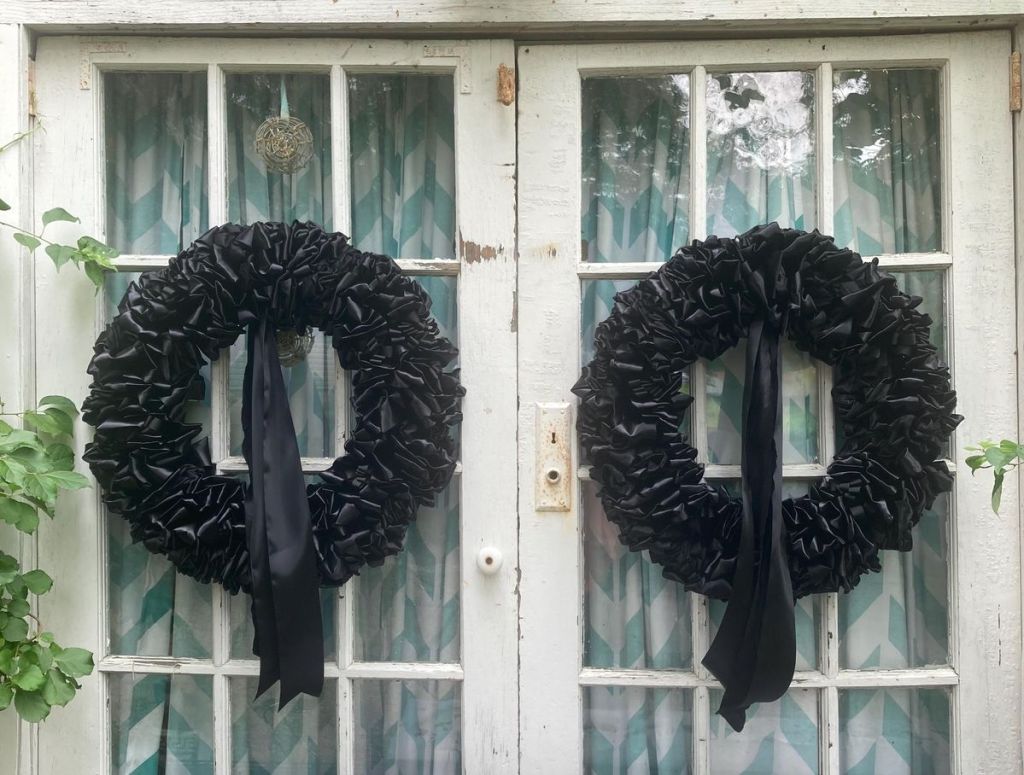
Most employers give mourners 3-4 days of paid leave for the loss of an immediate family member. If you need more time off, you have to use vacation days or take them unpaid (if that’s even allowed). I remember having to travel for a work conference a few weeks after my younger daughter died. I know I got on a plane, stayed in a hotel, and sat in a large room with co-workers, customers, and presenters for four days. But I don’t think I absorbed anything that was said. My mind was numb.
Deep grief lasts much longer than most people realize. We need to allow time to go through all the stages of grieving. To give ourselves time to heal and accept. To let God’s love, comfort, and mercy lift and sustain us.
But we can’t reach that point of grief acceptance if we don’t allow our grief to even get started.
Laura
*If you are feeling out of control in your grief, turning to alcohol or drugs to try to numb it, or contemplating self-harm, there is no shame is seeking professional help.
 A Light for My Path
Leave a comment