
According to merriam-webster.com a rite of passage is:
A ritual, event, or experience that marks or constitutes a major milestone of change in a person’s life.
Rites of passage have been acknowledged in many cultures throughout the world and for thousands of years. They may vary in how they are celebrated, but almost all of them incorporate these five stages of life: birth, coming of age (i.e., reaching adulthood), marriage, becoming an elder, and death. Some cultures assign a specific age for reaching adulthood and eldership. Others mark these events by changes in a person’s body, abilities, or knowledge and understanding.

In modern Western culture we tend to mark these rites in line with specific events: birth, graduation, first job, marriage, parenthood, retirement, death. We often add in a few more for the sake of celebrating (hitting your teens, getting a driver’s license, legally buying your first adult beverage, purchasing your first house …). Even if we aren’t as formal as some cultures are in marking these milestones of life, most of us do pause and reflect and feel nostalgic when we, or someone we love, make a major life change.
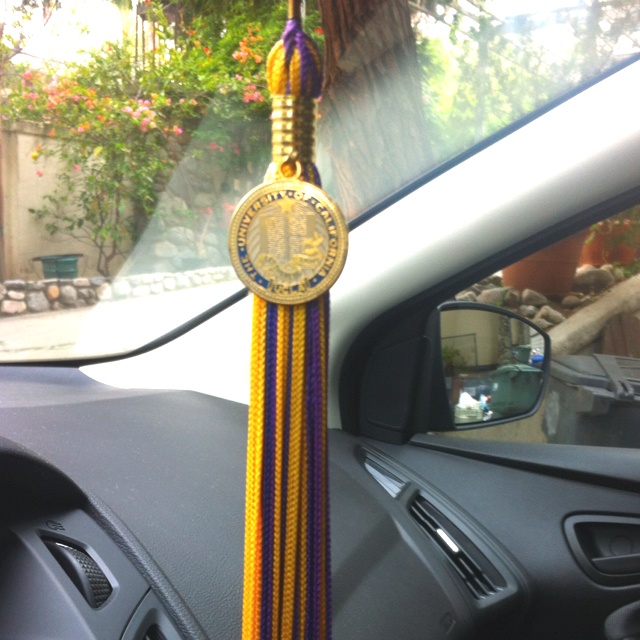
My two oldest grandsons just graduated from high school in the past month. One is moving to another city to share an apartment with a friend, attend trade school, and seek a job in construction or as a mechanic. The other is, as I write this, moving into a college dorm at Florida State University for the summer session. His parents are probably right now schlepping bins of toiletries and cleaning products (which likely will stay unused), sheets, towels, clothes, and a small microwave up to a tiny room in 95⁰ Florida humidity.
Both these young men have a piece of paper and a tassel to hang from a rearview mirror that shows they have completed, or perhaps begun, a passage of life.
They have so many more to look forward to!

I suppose I’m somewhere in the passage of becoming an elder. It’s hard to bring myself to admit that I’ve walked that path and have arrived, despite all the evidence. I am retired from my job, receive Social Security checks monthly, recently qualified for Medicare, and diligently disguise my gray hairs. I’m also part of the oldest living generation of my immediate family. That means my next rite of passage will be death.
That’s a sobering thought.

Still, I’ve been given the privilege of reaching all the previous rites of passage. Not everyone does. Death is not a respecter of persons. It doesn’t discriminate according to age, social status, accomplishments, or plans. We can plan for the rituals surrounding our funeral. We can plan for the distribution of our worldly possessions. But we can’t plan the day and time. And typically, we don’t give death a lot of thought until we’ve marked all the previous rites of passage in this life. Yet, death is ultimately the most important one. More specifically, what comes at the end of that passage.
So, if death comes unexpectedly, say for example, to a 30-year-old newlywed in a car accident, many of those rites of passage have been skipped over. And the final passage, along with its rites, is unplanned. Which makes us struggle to accept that too-soon death. It’s out of order in so many ways. So many things left undone.

Fortunately, the result and reward of that passage can be planned for. We may not get to have all the celebrations and the ceremonies, whether solemn or joyful. But we can be assured of our ultimate destination. Our Savior freely gives that assurance if we just ask.

Let’s be ready.
Laura
 A Light for My Path
Leave a comment