
This past October I had the opportunity to attend a retreat for bereaved mothers hosted by Melanie DiSimone. She is a writer, the leader and moderator of a Facebook group for bereaved parents entitled Heartache and Hope: Life After Losing a Child, author of a blog The Life I Didn’t Choose, and, most recently the spiritual leader of a ministry called Heartache and Hope that conducts monthly bereaved parent gatherings and quarterly retreats and provides online resources for grieving families. She is also available for speaking engagements.
Yes, I realize that paragraph is mostly one run-on sentence. I don’t know how she does all she does.

The best thing is Melanie has become a dear friend. And through her I have made other friends within the bereaved parent community. In case that sounds like a really depressing friend group, let me assure you, it is not. We do share in common the life-changing blow of child loss. We cry together. We also make each other spit-out-your-coffee laugh. We talk about our husbands. We talk about our living children and grandchildren, either existing or hoped for. We talk about food and body image and aging. We talk about God, Jesus, and Heaven. We talk about our joys, cares, worries, and fears.
Just like regular friends. With something in common we wish we didn’t have. Because like it or not, the experience of child loss weaves a thread through every aspect of our lives.
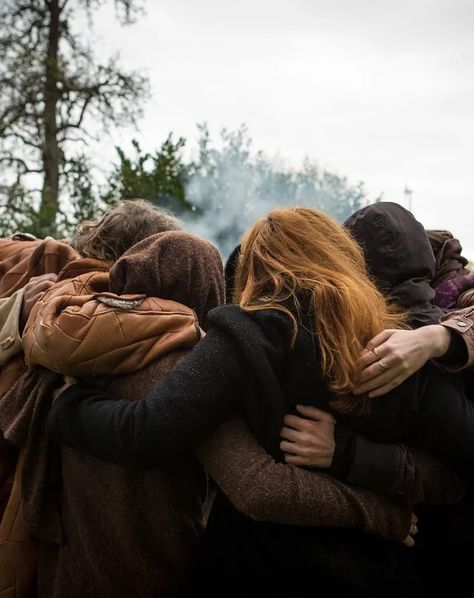
At the retreat I mentioned before all this rambling, I met in person one of the friends I had gotten to know through Melanie’s Facebook group. As she and I were marveling at Melanie’s deep Biblical knowledge, my friend asked if I was familiar with the You Version Bible app. I am. I have been reading devotional plans on this app for almost eight years. My friend recommended one called The Bible Recap by Tara-Leigh Cobble. It is a year-long walk through the Bible chronologically with a summary and commentary of each day’s reading by Ms. Cobble.
I started this plan on January first. About half-way through Genesis, the plan jumps to Job (because historically Job’s story occurs not too long after Noah’s). I messaged my friend to tell her how much I appreciated her recommendation, and we started chatting about Job. We both shared the opinion that often pastors and Sunday school teachers like to wrap a pretty bow around the conclusion of Job that he was completely restored and made whole. Even richer than he had been before.
As mamas who have both lost a child, that conclusion doesn’t set right. Yes, Job and his wife had more children. His homes and land and livestock once again increased in abundance. He was able to hire more servants and workers than before. But these children and servants and workers didn’t replace those who were lost. You can never replace one human being with another. As my friend said, “God brought his earthly station back to wealth,” but God did not replace what Job lost.
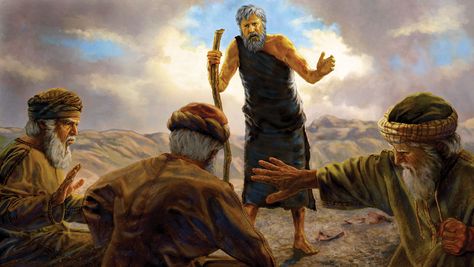
Job’s story is so much more complex than I ever realized. He suffered more loss than most mortals could bear. And God allowed it. God didn’t bring back Job’s children who died. He could have, but He didn’t. He provided renewed prosperity, comfort, family, and joy to Job and his wife. But Job would have to trust God that there would be an eternal restoration of those who were taken away.
Just like we do.
Laura
If you would like to know more about Heartache and Hope, please follow the link below.
 A Light for My Path
Leave a comment