
Growing up, one of my favorite Sunday School songs was Bringing in the Sheaves. It had a lilting melody and an easy to remember chorus. When I was little, though, I had no idea what sheaves were. In fact, I thought the words were “bringing in the sheeps.” As I got older I learned both that sheeps was not correct grammar and sheaves were bundles of grain. I also understood if you were a diligent sower of seeds during planting time you would reap a large harvest of grain that would provide bread for people and fodder for livestock during the winter.
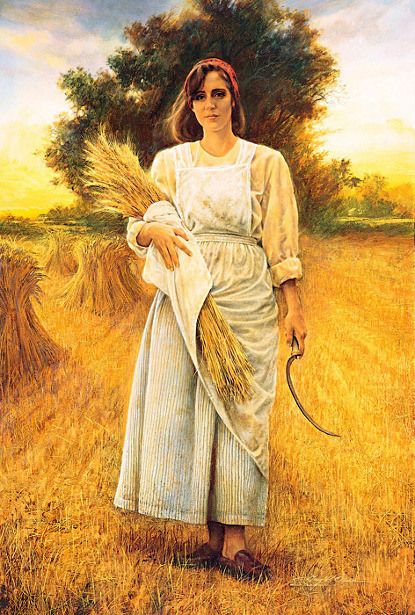
Somehow though I missed the deeper meaning of the song and also that it was based on a Bible passage.
Psalm 126 says:
Restore our fortunes, Lord, like streams in the Negev. Those who sow with tears will reap with songs of joy. Those who go out weeping, carrying seed to sow, will return with songs of joy, carrying sheaves with them.
Psalm 126: 4-6

This psalm is attributed to the priest and scribe Ezra and refers to the restoration of the nation of Israel and their return to Zion from Babylon. Surely, they made their way back home with rejoicing and the hope of prosperity and bountiful harvests in their future.
For Christians now, the promise of this psalm and the words of the hymn have an even stronger meaning. Because of Christ, we have the promise of an eternal harvest. And, we who grieve have an even sweeter promise. The last verse of Bringing in the Sheaves goes:
Going forth with weeping, sowing for the Master,
“Bringing in the Sheaves” by Knowles Shaw, 1874
Though the loss sustained our spirit often grieves;
When our weeping’s over, He will bid us welcome;
We shall come rejoicing, bringing in the sheaves.
We can have faith and hope in Heaven, follow our calling from God, and yet have a grieving spirit because of our losses. Our weeping may never be over in this Earthly life, but we will come rejoicing when we are reunited with those we love and miss. Those sheaves — our bundles of joy.
Laura
 A Light for My Path
Leave a comment