
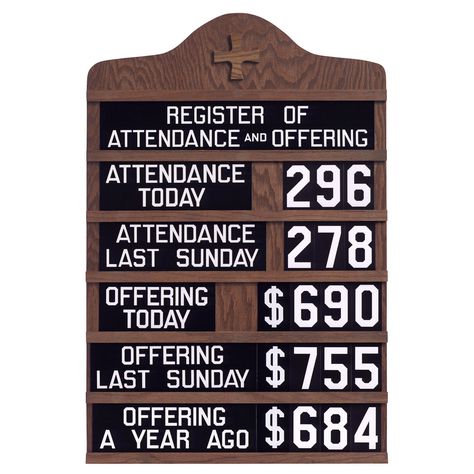
I grew up in a traditional Presbyterian church. The Sunday morning service always followed a defined liturgy. To some folks a specific order of worship might feel staid and lacking in spontaneity. (The nickname for Presbyterians is the “frozen chosen,” after all.) To me though, the ritual was comforting. I knew all the hymns by heart in the hymnals I assumed were original to our 200-year-old church building. I could recite the Lord’s Prayer and the Apostles’ Creed without the need for words printed in a bulletin. Oh, that’s right – we had no bulletins. The hymn numbers along with last week’s offering amount were posted on the wooden announcement board with rectangular black plastic letters and numbers that slid into slots. Deacons had the responsibility of changing them out prior to Sunday morning service.
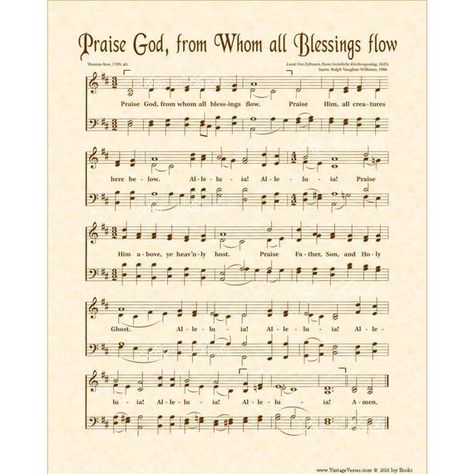
Right after the offering we stood and sang the Doxology. It’s a simple four-line song of praise, but beautiful in its simplicity. It was written by Thomas Ken in 1694 or 1695.
Praise God, from whom all blessings flow
Praise Him, all creatures here below
Praise Him above, ye heavenly hosts
Praise Father, Son, and Holy Ghost . . . Amen
Thomas Ken
It wasn’t until I was an adult that I found out what we called THE Doxology wasn’t the one and only doxology. It just happened to be the one we always sang in our little church. Doxology isn’t a proper noun at all. It’s an old word from the Greek language meaning an expression of praise or giving glory to God. In fact, another simple song often sung in churches goes:
Glory be to the Father, and to the Son, and to the Holy Ghost. As it was in the beginning, is now and ever shall be; World with end . . . Amen, Amen
English translation of the Gloria Patri
Almost every traditional Protestant and Catholic church sings or recites some form of doxology. Why? Because everyone, everywhere should praise God, in His trinity form. Because every good thing, everything that blesses us, comes from Him.
I mentioned above that a defined liturgy feels lacking in spontaneity to some. A while back a friend said she thought quoting the same prayers and memorized verses over and over made them stale and meaningless. We say them without thinking about them. That can be true. But, the familiarity can also pull us into an attitude of worship, praise, or prayer.
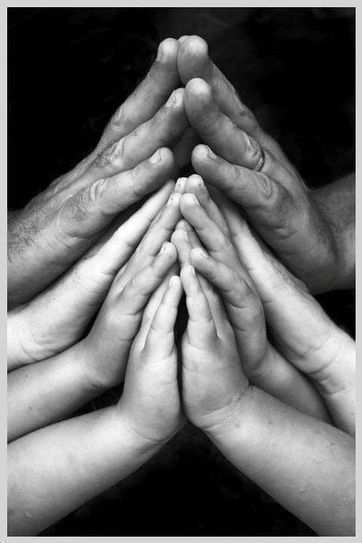
I love it that my grandchildren and their parents always say bedtime prayers together. And they always start with the Lord’s Prayer. The children recite this prayer together, and then they each add their own prayers. It could be something they are thankful for, hopeful for, or worried about. I, too, start my morning prayers with the Lord’s Prayer. I try to make myself be conscious of the words I am saying. Often, it starts out rote, but usually some part of it will pull me into a specific prayer. “Thy will be done.” Umph, I was hoping I could get my way today. “Forgive us our trespasses.” I am so sorry I was short-tempered with the cashier at the grocery store. Forgive me. “As we forgive those who trespass against us.” I, um, haven’t really forgiven the person who stole my credit card. Yikes. I’ve got a lot to talk to You about, don’t I?
The Doxology (or a doxology) makes me pay attention in the same way as this well known prayer. That little memorized tune and words come unbidden at times. A blessing. Flowing from God.
Laura
 A Light for My Path
Leave a comment